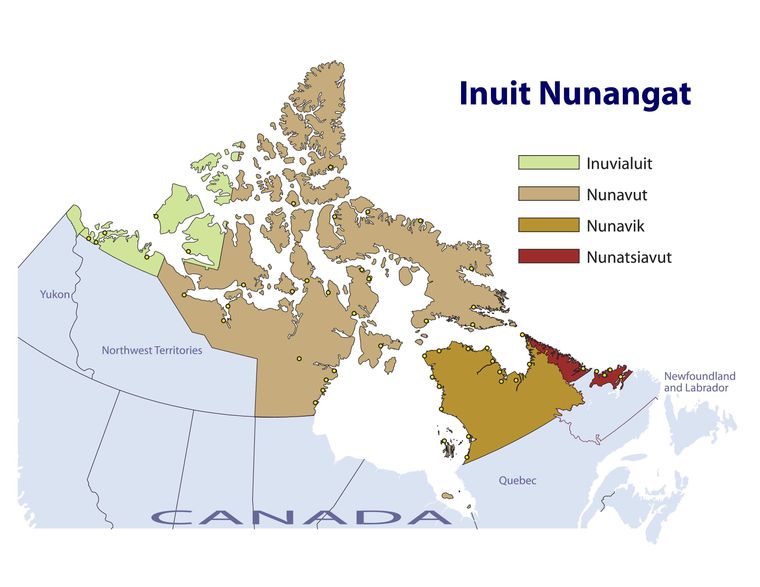
Access to nutritious, the lack of access to affordable, nutritious food has created a longstanding food insecurity crisis in Nunavut and remains unresolved as a public and political concern. Explore the resources provided on this page to learn more. Please consider visiting our Get Involved page or following us on Facebook or Instagram to stay tuned to our efforts to bolster Food Sovereignty.
Food costs are over double the national average
Only 1/6 of daily calorie intake in Nunavut comes from local country food
Over half of households in Nunavut are food insecure
In 2023 a delegation from QCFC appeared before the United Nation's Fourth Periodic Human Rights Review. In our submission we outlined the rampant, longstanding food insecurity crisis faced by Inuit every day; the highest rate of food insecurity of an Indigenous population in the developed world; and a cost of food two to three times higher than the national average. All this in a territory still grappling with the well-known effects of colonization, including high rates of poverty, suicide, and structural disempowerment. The report, which provides a brief historical account, also provides a solution: four recommendations that, if implemented, would put Nunavut and Inuit on the path to Food Sovereignty.
Food insecurity is the inadequate or insecure access to food due to financial constraints. It is a serious public health problem, a marker of pervasive material deprivation, and a matter of public policy.
Country food and harvesting are central to Inuit culture, community and well-being. Colonization has disconnected us from harvesting, the very cultural practice that reinvigorates our sense of identity, feeds our communities and stimulates our local economy. This report is by the Qikiqtani Inuit Association, which represents Inuit of the Baffin (Qikiqtaaluk) region.